

Alternative to Meds Center Provides Clinical Education on Paxil Withdrawal and Individualized Discontinuation Support
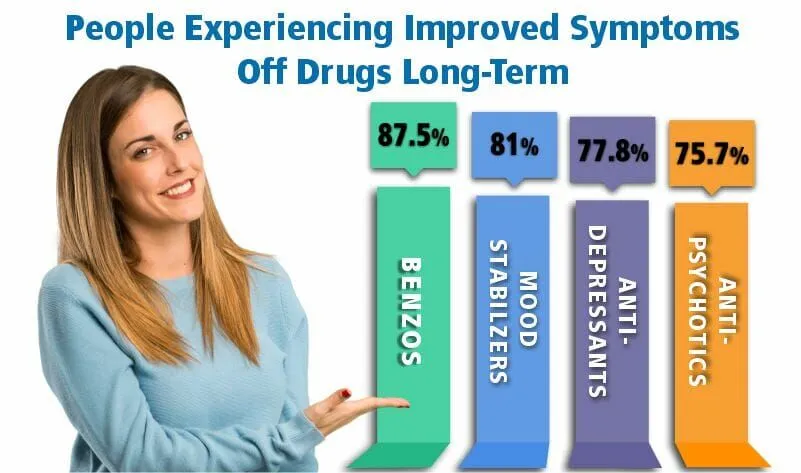
Chart illustrating reported long-term symptom improvement among individuals no longer using psychiatric medications across multiple drug categories.
A visual reminder of the importance of informed decision-making, clinical oversight, and careful consideration when starting or discontinuing SSRI medications.
Understanding Paxil withdrawal symptoms, tapering considerations, and patient-specific care
Paxil, known generically as paroxetine, is prescribed for a range of mental health conditions, including major depressive disorder, generalized anxiety disorder, panic disorder, social anxiety disorder, obsessive-compulsive disorder, and post-traumatic stress disorder. While many individuals initially experience symptom relief, others find that side effects, tolerance, or diminished benefit over time lead them to consider discontinuation. Clinical evidence shows that stopping paroxetine without appropriate medical guidance can result in significant withdrawal symptoms, particularly due to the medication’s short half-life and strong effect on serotonin regulation.
Paroxetine withdrawal, often described as antidepressant discontinuation syndrome, may involve a wide range of physical, neurological, and psychological symptoms. Commonly reported effects include dizziness, nausea, headaches, flu-like symptoms, sleep disturbances, vivid dreams or nightmares, irritability, anxiety, and sensory disturbances such as “brain zaps” or electric shock–like sensations. Some individuals also report mood instability, confusion, panic attacks, or intrusive thoughts during withdrawal.
“Paxil withdrawal can be particularly intense compared to other SSRIs,” said a clinical representative for Alternative to Meds Center. “Because paroxetine leaves the body quickly, even small dose changes or missed doses can trigger noticeable symptoms. This is why individualized tapering and close monitoring are so important.”
Medical literature indicates that withdrawal symptoms from paroxetine often begin within one to three days after a dose reduction or discontinuation. While some individuals experience symptoms that resolve within a few weeks, others report prolonged or fluctuating withdrawal lasting several months or longer, particularly after long-term use. In more severe cases, individuals may experience post-acute withdrawal symptoms that require ongoing support.
Paroxetine works by blocking the reuptake of serotonin in the brain, increasing its availability in the synapse. Over time, the central nervous system adapts to this altered chemical environment, a process known as neuroadaptation. When the medication is reduced too rapidly or stopped abruptly, serotonin signaling can change suddenly, placing stress on the nervous system and contributing to withdrawal symptoms. Because of this mechanism, abrupt discontinuation is widely discouraged.
Alternative to Meds Center emphasizes that withdrawal symptoms are often mistaken for relapse of the original mental health condition. This overlap can lead to misdiagnosis and unnecessary medication escalation. Distinguishing withdrawal physiology from recurrence of symptoms is a critical component of safe and effective care.
Side effects are another reason many individuals choose to discontinue Paxil. Reported adverse effects include drowsiness, sexual dysfunction, weight changes, emotional blunting, agitation, and sleep disruption. In some cases, more serious risks such as increased suicidality or serotonin syndrome have been documented, particularly when paroxetine is combined with other serotonergic medications. These risks underscore the importance of informed decision-making and professional oversight.
At Alternative to Meds Center, care for Paxil withdrawal focuses on individualized assessment and comprehensive support rather than standardized tapering schedules alone. Treatment planning considers factors such as medication history, physical health, nutritional status, stress physiology, and emotional well-being. Clinical care may include medical monitoring, psychotherapy, nutritional and orthomolecular support, stress-reduction strategies, and integrative therapies designed to support nervous system stability during tapering.
The center also recognizes that not everyone requires inpatient treatment to discontinue Paxil. However, individuals who have experienced severe withdrawal symptoms, repeated unsuccessful tapering attempts, or significant functional impairment may benefit from a higher level of care. Choosing practitioners who are familiar with SSRI withdrawal is considered essential to reduce risk and improve outcomes.
Located in the red rock region of Sedona, Alternative to Meds Center has nearly two decades of experience helping individuals safely reduce or discontinue psychiatric medications while addressing underlying contributors to mental health distress. The center’s residential programs are staffed by licensed medical and therapeutic professionals and are designed to provide a calm, structured environment focused on long-term recovery rather than short-term symptom suppression.
As awareness of antidepressant withdrawal continues to grow, Alternative to Meds Center aims to provide evidence-based education that empowers individuals and families to make informed healthcare decisions. The center encourages anyone considering changes to their medication regimen to seek professional guidance and to avoid abrupt adjustments without medical supervision.
More information about Paxil withdrawal, SSRI discontinuation, and available treatment options can be found through Alternative to Meds Center.
About Alternative to Meds Center
Alternative to Meds Center is a licensed residential mental health treatment facility based in Sedona, Arizona. For nearly 20 years, the center has helped individuals safely reduce or discontinue psychiatric medications while addressing underlying mental health challenges through medical supervision, psychotherapy, nutritional support, and holistic therapies.
Alternative to Meds Center
Alternative to Meds Center
+1 877-503-0770
email us here
Visit us on social media:
LinkedIn
Instagram
Facebook
YouTube
TikTok
X
Other
Legal Disclaimer:
EIN Presswire provides this news content "as is" without warranty of any kind. We do not accept any responsibility or liability for the accuracy, content, images, videos, licenses, completeness, legality, or reliability of the information contained in this article. If you have any complaints or copyright issues related to this article, kindly contact the author above.
